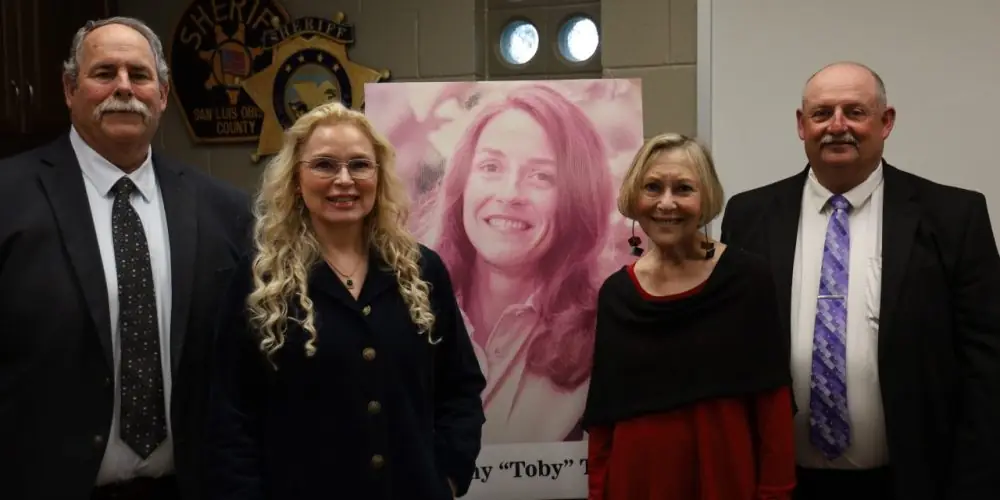
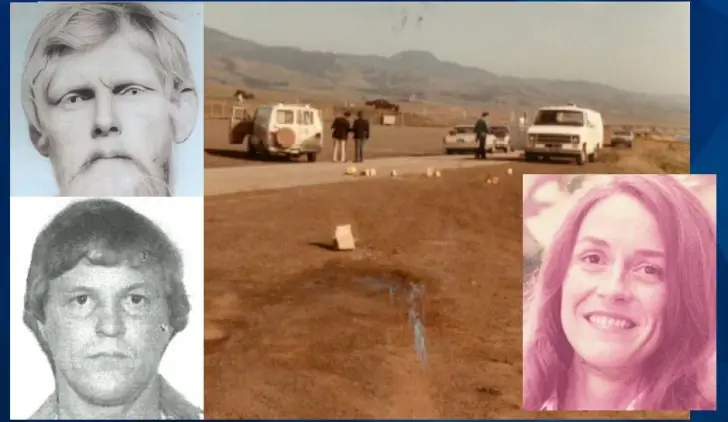
On November 15, 1983, a passing motorist spotted a van parked off Highway 1 near San Luis Obispo County. Inside was Dorothy “Toby” Tate, fatally shot and left alone in the dark. She was young, full of plans, and gone in an instant. The crime shocked the area and then slowly faded into silence as leads dried up and time moved on.
For more than forty years, the case sat untouched by answers. No witnesses came forward. No suspects stuck. Evidence remained boxed and labeled, waiting for a future that did not yet exist. That future finally arrived when Cold Case Detective Clint Cole reopened the file with tools that detectives in 1983 never had.
New Science Unearths the Old Evidence
At the time, that was all they could do. DNA testing was still science fiction, and fingerprint databases were limited.
Years later, the blood sample was tested and entered into CODIS, the national criminal DNA database. Nothing came back. That would have been the end years ago, but today it was just the first step. Detectives sent the DNA to Parabon NanoLabs, a lab that specializes in genetic genealogy. Instead of looking for a criminal match, analysts searched for relatives hidden inside consumer DNA databases.
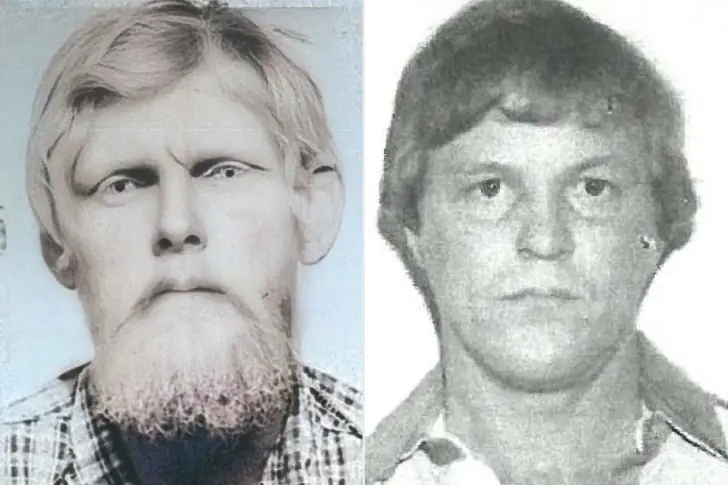
The process took time and patience. Analysts built family trees branch by branch, tracing distant cousins and narrowing the field. Eventually, one name stood out. Steven Richard Hardy, a man living in Texas during the early 1980s, fit the genetic profile. Investigators confirmed the match by comparing the crime scene DNA with a close family member. The science was solid, and the name was real.
The Coca-Cola can told the rest of the story. Technicians reexamined the fingerprints preserved on the aluminum. This time, modern systems made the search faster and broader. The prints matched Charley Sneed, another Texas man. That single soda can placed him inside the van, right where the murder happened.
Both men were long deceased by the time the case came together. Still, the evidence showed they acted together during what appeared to be a burglary or theft that turned deadly. The San Luis Obispo County District Attorney reviewed the findings and confirmed probable cause. The case was officially closed as exceptionally cleared, finally giving Toby Tate’s story an ending.
How the Fingerprint Led to the Solution
When collected and analyzed correctly, they tell a quiet truth that time cannot erase.
Fingerprint evidence has been used in criminal cases for more than a century. One of the earliest examples came in 1892 in Argentina, when investigator Juan Vucetich matched a bloody fingerprint to Francisca Rojas, who later confessed to killing her children. In Britain, the 1905 Stratton brothers case relied on a thumbprint found on a cash box. That print helped secure the first fingerprint-based murder conviction in the country.
In the U.S., fingerprints gained legal ground after the 1910 murder of Clarence Hiller in Chicago. The suspect left prints on a freshly painted porch railing. Expert testimony explained how those prints matched the defendant, Thomas Jennings. His conviction and failed appeal opened the door for fingerprint evidence in American courts.
Still, fingerprints are not magic. Human judgment plays a role in every comparison. Mistakes happen, as seen in the 2004 case where Oregon lawyer Brandon Mayfield was wrongly linked to the Madrid train bombings. That error forced the forensic world to slow down, double-check methods, and demand higher standards.