If it feels like your sniffles have started earlier, lingered longer, and somehow found a “bonus round” in the fall, you’re not imagining it. From warmer seasons and higher pollen counts to indoor triggers and the way your immune system “learns,” several real-world factors can stretch allergy misery across more months than ever. Here’s what’s behind the never-ending sneeze saga—and what to watch for.
Warmer Temps Are Stretching the Pollen Calendar
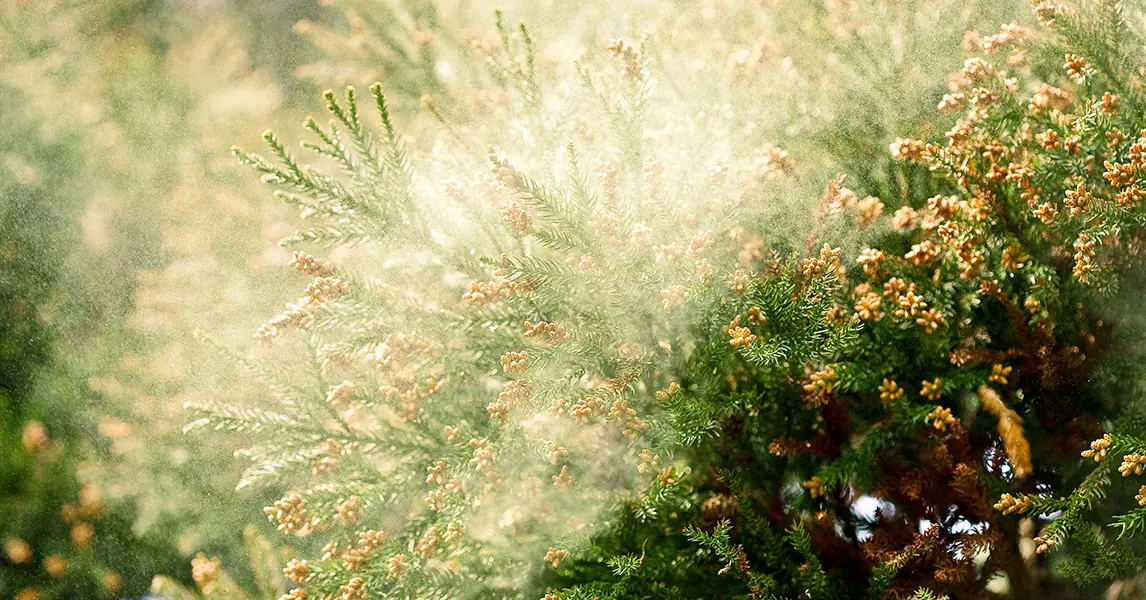
Your allergy season may be starting earlier and ending later because the weather is changing.
When spring arrives sooner and the first frost shows up later, plants get a longer window to grow—and to release pollen. That means trees can kick things off earlier, grasses can keep going, and weeds can hang around well into fall. In many regions, pollen seasons have measurably lengthened over the past few decades. The result is less “off-season” recovery time for your nose and eyes, so symptoms can feel like they’re on a drawn-out tour instead of a short, annoying gig.
Higher CO2 Can Mean More (and Stronger) Pollen
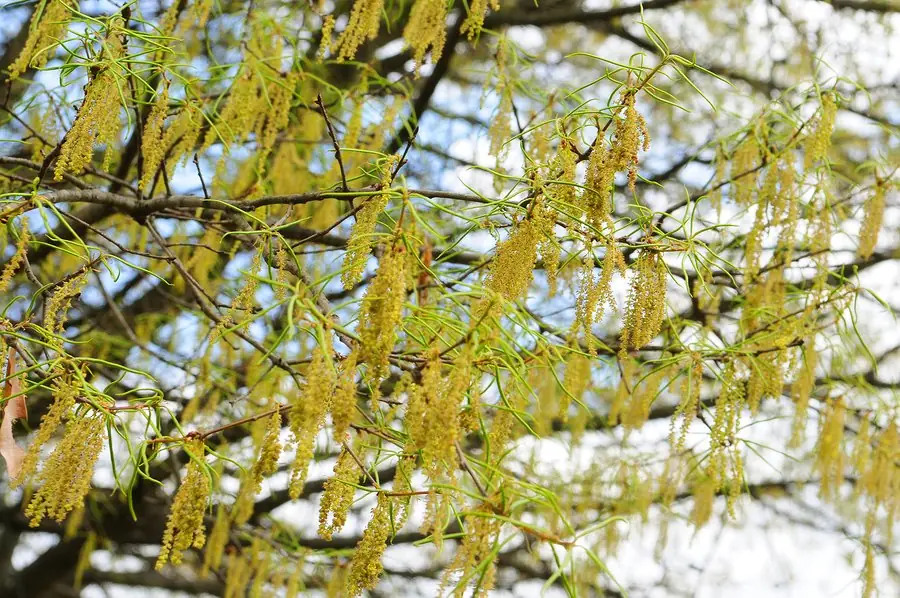
The air plants breathe can influence how much pollen they make.
Plants don’t just react to temperature—carbon dioxide levels matter too. Higher CO2 can act like fertilizer for many species, encouraging faster growth and, for some plants, increased pollen production. Certain notorious offenders (like ragweed) have been shown in studies to produce more pollen under elevated CO2 conditions. More pollen in the air for more days means your immune system gets more chances to overreact. If it feels like you’re “more allergic” than you used to be, a heavier pollen load can be a big part of the story.
Urban Life: Pollution and Pollen Team Up
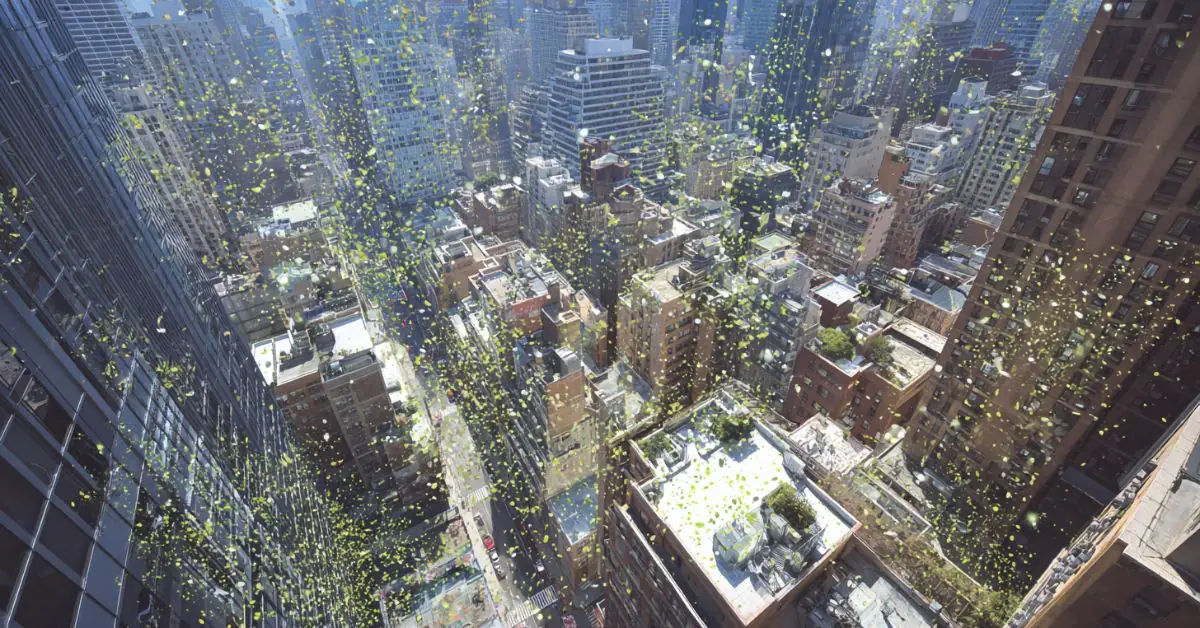
City air can make your nose feel like it’s running a marathon.
Traffic-related pollution (think ozone and fine particles) can irritate your airways and make them more sensitive to allergens. Some research also suggests pollutants may change how pollen behaves, potentially increasing its inflammatory impact. Add the “urban heat island” effect—cities staying warmer than surrounding areas—and you can get longer local pollen seasons, too. It’s an annoying combo: your nose is already irritated, then pollen shows up and acts like it owns the place. No wonder symptoms can feel more intense and longer-lasting.
Indoor Allergens Don’t Take a Season Off
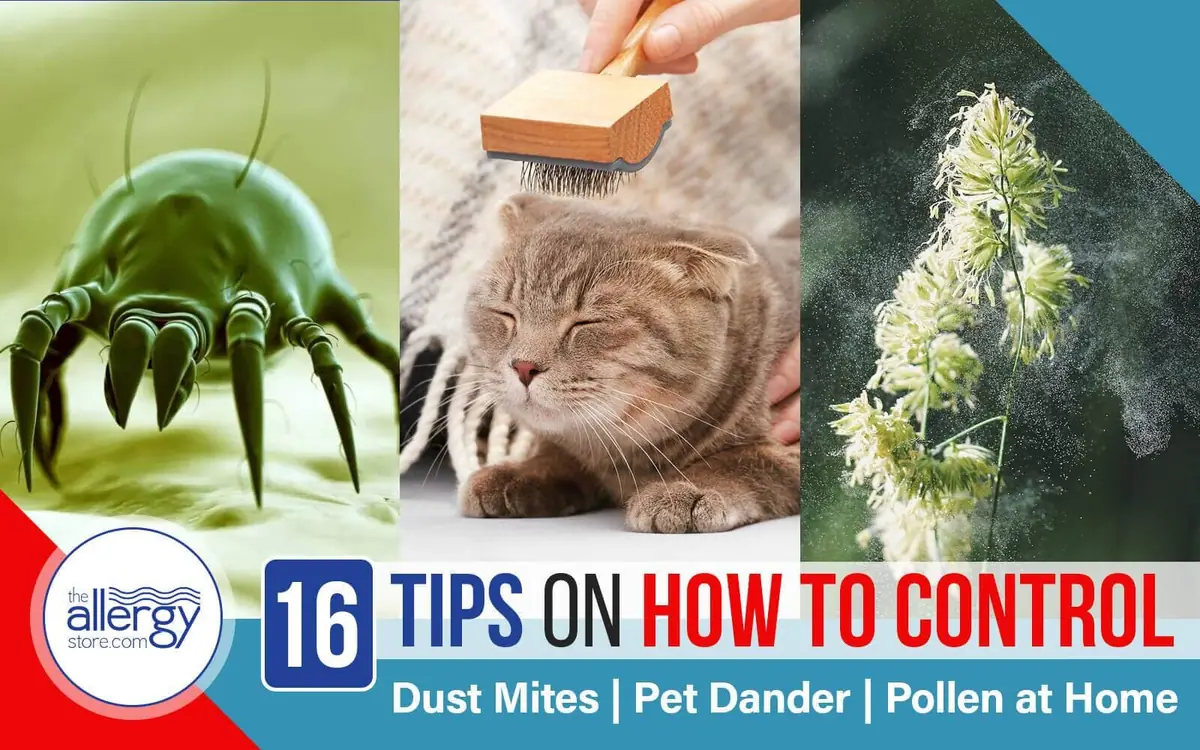
Even when outdoor pollen drops, your home can keep the party going.
Here’s the sneaky part: what feels like “extended seasonal allergies” is sometimes a handoff from outdoor triggers to indoor ones. Dust mites thrive in bedding and upholstery, pet dander hangs around for weeks, and indoor mold can flare when humidity rises. Plus, pollen doesn’t politely stay outside—it rides in on clothes, hair, shoes, and pets, then settles into carpets and couches. If symptoms keep lingering after the forecast says “low pollen,” it may be time to suspect what’s trapped indoors, not just what’s floating outside.
Your Immune System Can Get Better at Being Annoying
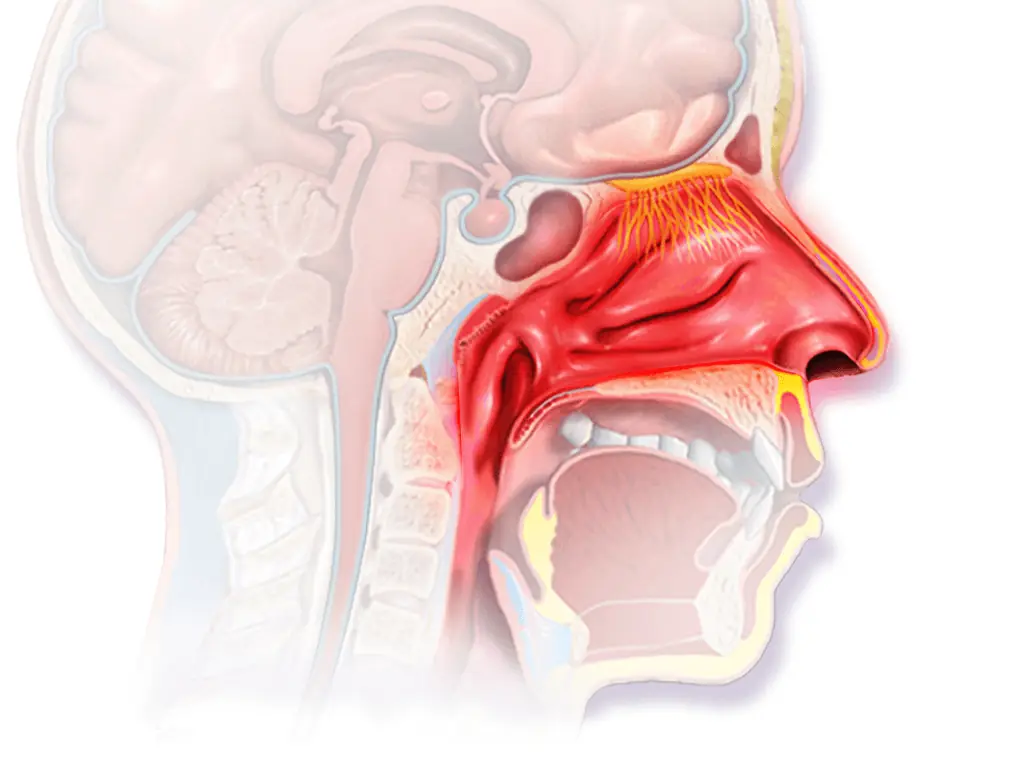
Allergies can evolve over time, and not in the fun “glow-up” way.
Allergic rhinitis isn’t always static—people can develop new sensitivities or become more reactive after repeated exposure. If you’re around the same pollens year after year, your immune system may continue “learning” to respond, which can translate into symptoms that start with fewer triggers and last longer. Age, moving to a new region with different plants, and underlying nasal inflammation can all shift your baseline. If congestion and sneezing are dragging on for weeks, it’s not necessarily you being dramatic—your immune system may genuinely be changing its playbook.