
30 years ago, a quiet Vermont town became the center of a shocking crime. A package arrived like any other delivery, but it carried something deadly inside. What followed left a family shattered and investigators racing for answers.
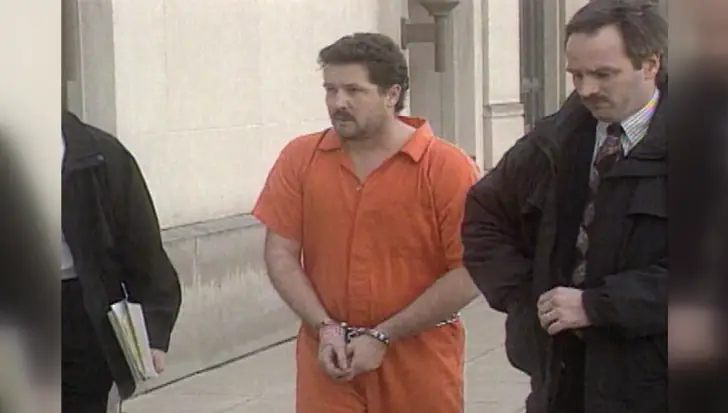
On March 20, 1998, federal agents arrested a 35-year-old man from Indiana named Chris Dean. He was accused of sending a pipe bomb through a shipping service to a teenager in Fair Haven. The arrest marked a turning point in a case that had stunned both local residents and law enforcement.
The victim, 17-year-old Chris Marquis, had no reason to expect danger from a package. When he opened it, the device exploded and killed him instantly. His mother was badly injured in the blast and survived with lasting trauma.
The crime shook the community because it felt random and deeply personal at the same time. People struggled to understand how a dispute could lead to such a brutal act. The case quickly drew national attention as investigators searched for the person behind it.
A Personal Dispute Turns Deadly

That sense of being wronged grew into something much darker. Instead of seeking a legal or peaceful solution, Dean planned a violent response. He built a pipe bomb and sent it directly to Marquis, turning a personal grievance into a deadly attack.
The choice to use a mailed device made the crime even more chilling. It showed planning, patience, and a clear intent to harm. This was not a sudden act of rage, but a calculated decision that ended a young life.
How the FBI Tracked Him Down
The late 1990s marked a time when the internet was still new to many people. In this case, it became a key tool for investigators. Federal agents followed digital communication trails that eventually pointed to Dean.
These early forms of online tracking were not as advanced as today’s methods. Still, they provided enough clues to connect Dean to the crime. The investigation showed how technology could help solve even the most complex cases.
Authorities pieced together evidence from shipping records and online interactions. Each detail helped build a clearer picture of who sent the package and why. The arrest came after weeks of careful work and coordination.
When agents finally made the arrest, it brought some relief to a grieving family. It also showed that even calculated crimes leave traces behind. No matter how carefully someone plans, evidence has a way of surfacing.
Justice and a Lasting Impact
For the Marquis family, justice could not erase the pain. The loss of a teenage son left a void that no verdict could fill. Still, the outcome offered a sense of closure after a long and painful process.
The case continues to be remembered as a warning about unchecked anger. It also stands as an example of how investigators adapt to new tools and challenges. Even in the early days of digital communication, law enforcement found a way to follow the trail.
Today, the story remains a powerful reminder of consequences. One decision, fueled by anger, changed multiple lives forever. Remembering cases like this helps keep that lesson alive for future generations.