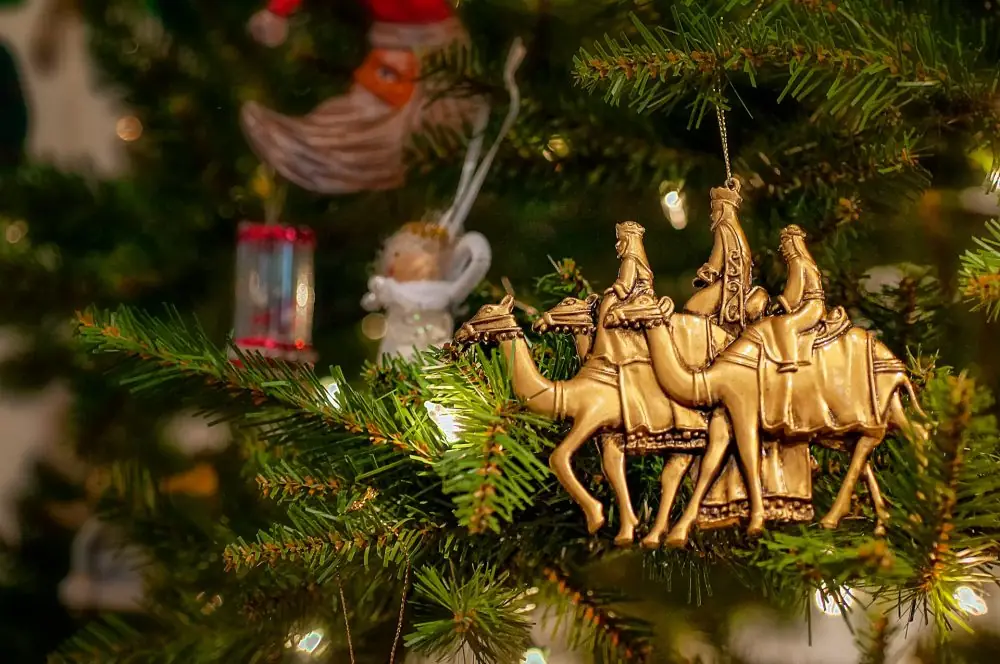
For centuries, the story has felt locked in place. Three kings, long robes, crowns, and camels. A glowing star leading them straight to the manger. It is one of the most repeated scenes in Christian tradition, especially at Christmas.
But historians say the version most people know is more legend than fact. Recent research and fresh looks at old sources suggest the Three Wise Men were not kings at all. They were not even three. And much of what we picture today came much later.
The claim comes from a YouTube video posted by the channel Associates for Biblical Research.
In the video, archaeologist Brian Windle lays out a case that challenges the classic Christmas image most people grew up with.
The Bible Says Less Than You Think
The familiar nativity story feels detailed, but the Bible itself stays vague. Only one Gospel even mentions these visitors. That matters more than most people realize.
The Gospel of Matthew is the sole source that talks about the Magi. It never calls them “kings,” never gives a number, and never names them. The text simply says Magi came from the east and brought gifts. That is it. Everything else grew later, piece by piece.
So where did the number three come from? From the gifts. Gold, frankincense, and myrrh. Early readers assumed three gifts meant three people. It was a guess, not a claim. The names Melchior, Caspar, and Balthasar appeared centuries later, showing up in European writings between the fifth and eighth centuries. By then, the story had already been shaped by art, sermons, and tradition.
How Kings Entered the Story?
That made the story richer, but not more accurate.
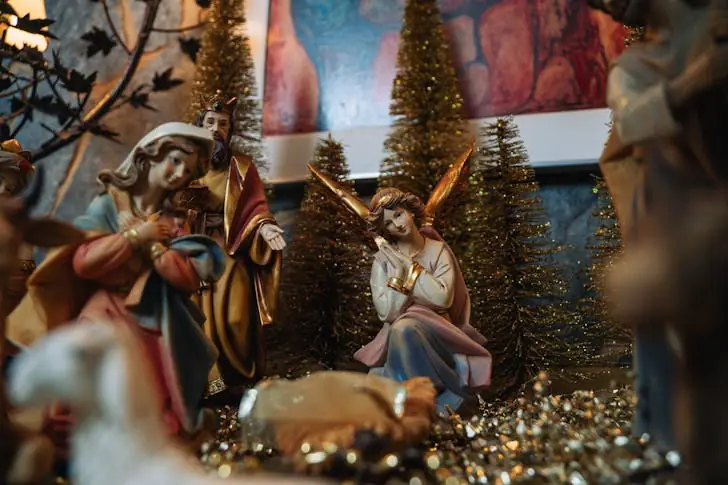
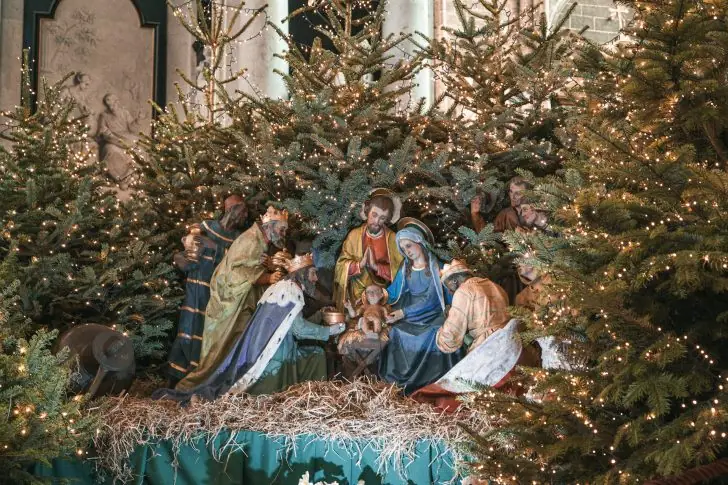
Early Christians linked the Magi to verses about kings bringing gifts. Over time, artists crowned them. Preachers repeated it. Eventually, the idea stuck. By the Middle Ages, the Magi were full royal figures from distant lands. Europe loved that image, so it spread fast and wide.
The problem is simple. Matthew never says they ruled anything. In fact, the word Magi points in a very different direction. These were learned men, not monarchs. They advised rulers, studied the sky, and worked inside royal courts, but they did not sit on thrones.
What the Word ‘Magi’ Really Means?
Magi is an old term with a long history. Its meaning changed as cultures changed, which caused plenty of confusion later on.
Originally, Magi referred to a priestly class in the Persian world. They were known for studying stars, rituals, and religious signs. They were respected thinkers, not mystical sorcerers. Over time, the word expanded and became looser. By the Roman era, it could mean astrologers, scholars, or religious experts.
That shift caused trouble for later readers. Some imagined magicians. Others imagined kings. But in the first century, Magi were most likely court advisors. They worked close to power, not above it. That detail changes how the whole story feels.
The Timeline Problem Scholars Can’t Ignore
During Jesus’s lifetime, the region east of Judea was controlled by the Parthian Empire. That makes older assumptions shaky. Scholars had to rethink where these men could have come from.
This pushed researchers to look closer at the political map of the first century. When they did, a nearby kingdom started to stand out. One that fit the geography, the timing, and the gifts far better than the old theories.
Some scholars now point to the Nabataean Kingdom as a strong candidate. This idea has gained traction because it solves several long-standing puzzles at once.