A Native American Studies course in Texas almost disappeared this summer. Lawmakers tightened rules around race and identity in schools. Many thought the class would not survive its renewal vote.
Instead, it passed by a slim 9 to 5 margin. The decision kept the American Indian and Native Studies course alive for another five years. Supporters called it a turning point in a tense moment for public education.
The vote happened during a wave of new laws aimed at limiting diversity, equity, and inclusion programs. Texas leaders passed Senate Bill 3 in 2021, which restricts how teachers handle controversial topics. Just before the renewal hearing, lawmakers approved Senate Bill 12, which bans school programs that reference race, ethnicity, gender identity, or sexual orientation.
That timing made the renewal feel risky. Critics saw the class as part of the DEI movement they wanted to curb. Supporters said it was simply accurate history.
How the Course Started and Why It Matters?
They wanted students to learn facts that regular textbooks often skip.
Texas approved it as an innovative course. That label meant it covered state-approved topics outside the standard curriculum. Other districts could adopt it for credit.
The class explores tribal sovereignty, boarding schools, and major Supreme Court cases that shaped tribal rights. Students also study Stephen F. Austin’s policies toward Native people. They learn about present-day Native leaders, artists, and lawmakers.
For many students, this was their first real exposure to this history. Savion Horn, a descendant of the Citizen Potawatomi Nation, said the class opened his eyes. He learned about boarding schools where Native children were forced to stop speaking their languages and practicing their cultures.
Teachers say the course does not focus only on pain. They balance hard history with stories of survival and creativity. Kimberly Rafalski, one of the first teachers, said they always paired difficult lessons with examples of resilience through art and community.
The Political Storm Around the Vote
By 2025, Texas politics had shifted. Lawmakers sharpened their focus on DEI programs in public schools. That shift put the course under a microscope.
At the June 2025 meeting of the Texas State Board of Education, debate stretched across two tense days. Advocacy groups like the Ethnic Studies Network of Texas and the Society of Native Nations pushed hard for renewal. Four Native nations from Texas and Oklahoma formally endorsed the class.
Supporters argued the course was not DEI or critical race theory. They pointed to an April 2025 letter from the U.S. Department of Education. The letter said Native American history is not classified as DEI because Native peoples are members of sovereign tribal nations, not just a racial or ethnic group.
Some board members strongly disagreed. Julie Pickren criticized materials that included a 1779 letter from George Washington to Major General John Sullivan. In that letter, Washington called for tactics to disconcert and terrify Native communities and ordered the destruction of settlements.
Pickren said she was appalled that tax dollars funded such content. She argued that the materials portrayed Washington unfairly. Brandon Hall questioned land acknowledgements and said claims that all land was stolen oversimplified history.
The Testimony That Shifted the Room
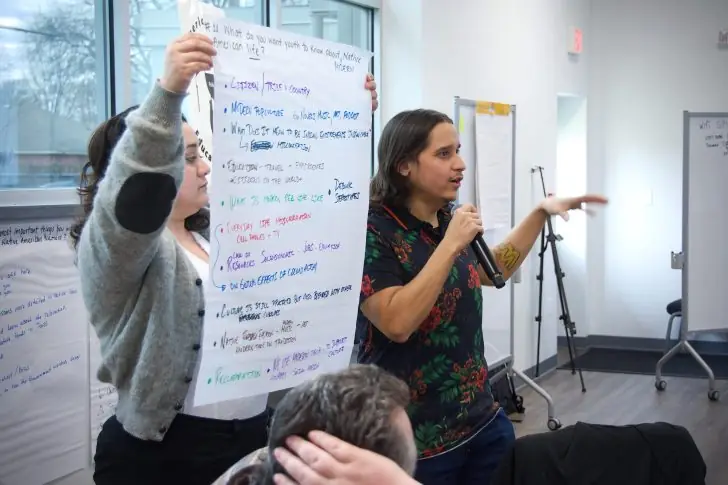
He said people talk about Native Americans as if they are gone, but they are still here.
His words cut through the political noise. Lawmakers listened as teachers described how students engaged deeply with the material. They shared stories of students asking thoughtful questions and making personal connections.
Kimberly Rafalski explained that the class avoids trauma for trauma’s sake. When students study boarding schools, they also explore modern Native art and activism. The goal is understanding, not guilt.