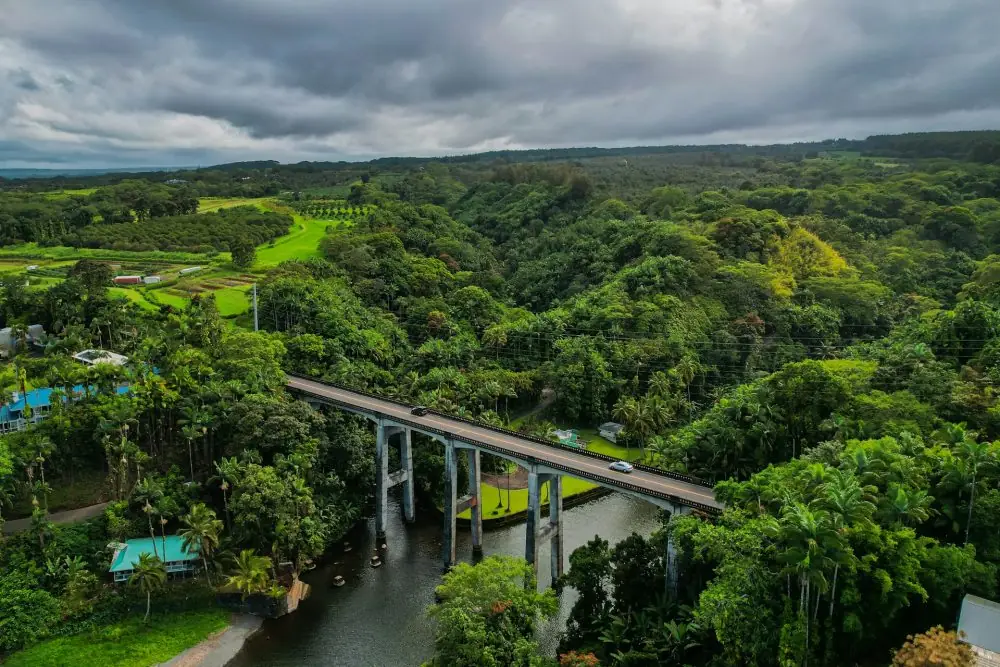
HOwevHawaii just made a quiet but meaningful change, and it affects its largest island. The place many people call the Big Island now has a new official name, or rather, a shorter one. The state has removed the words “Island of” from its formal title.
The island once known in state records as the Island of Hawaiʻi is now officially called Hawaiʻi. It sounds small, but this update carries cultural, legal, and practical weight. It also raises a simple question for travelers and locals alike. What does this really change, and what stays the same?
Why the Island’s Name Was Changed?
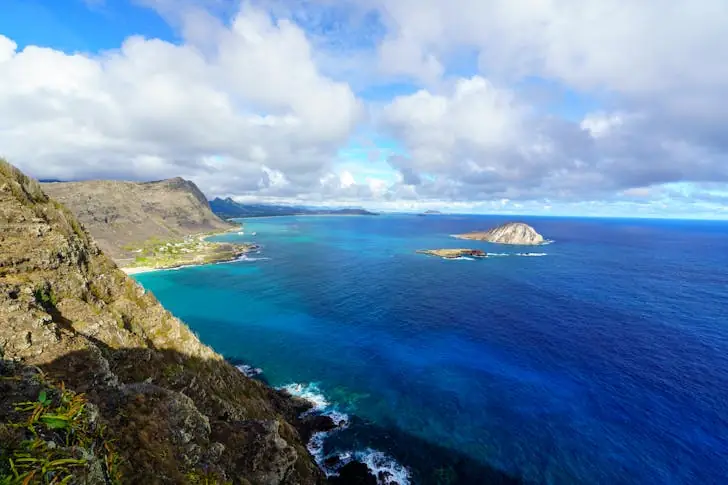
The move is part of a larger effort to clean up and standardize place names across the state. Other major islands already use single-name titles like Maui, Oʻahu, and Kauaʻi. The Big Island stood alone with a longer, more formal label.
Board members said the old name was awkward and inconsistent. Calling it the Island of Hawaiʻi created a strange overlap with the state name, while still treating the island differently from its neighbors. The update brings it in line with the rest of the chain and restores the island’s true name.
There is also a cultural reason behind the shift. The new official spelling includes proper Hawaiian language marks, like the ʻokina and kahakō. These details matter. They change how words are spoken and understood, and they show respect for the language that came long before English arrived.
What the Change Actually Covers?
This update is official, but it is not sweeping. The new name applies mainly to state maps, legal documents, and internal government use. It does not force residents, businesses, or visitors to change how they speak or write about the island.
However, you can still say Big Island. You can still say Hawaiʻi Island. Plus, you can even stick with the Island of Hawaiʻi in casual use. The state is not policing everyday language, and officials have been clear about that from the start.
The decision now moves to the U.S. Board on Geographic Names for federal review. That process could take about a year. If approved, federal maps and agencies will also adopt Hawaiʻi as the island’s official name. Until then, you may see both versions floating around.
Local Are Skeptic
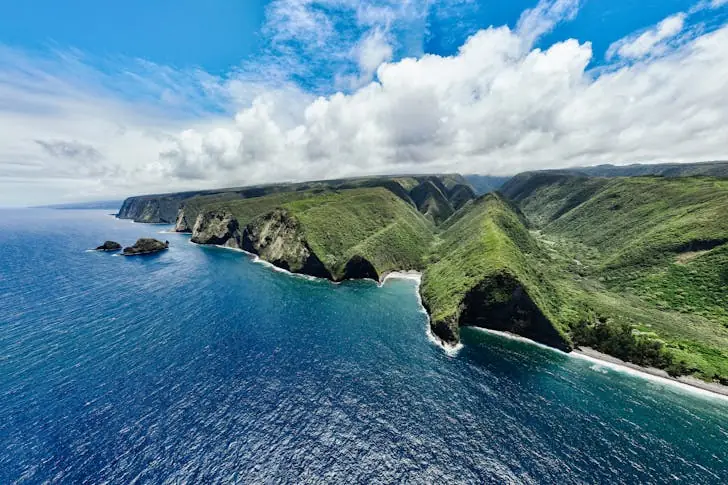
That concern has been voiced by local leaders, including Kimo Alameda, who questioned whether the update solves a real problem.
Others feel the timing is off. They argue that the state has bigger issues to tackle, and this feels like a symbolic move with little everyday payoff. For them, clarity matters more than consistency.
Supporters see it differently. They say context usually makes the meaning clear, and locals already know the difference. A common trick proves the point. People say “in Hawaii” when they mean the state, and “on Hawaiʻi” when they mean the island. Language adapts, just like it always has.
Long before state boards and maps existed, the island had a Hawaiian name. It is called Moku o Keawe, a name tied to a revered chief and deep local history. That name still carries weight in cultural and educational spaces today.
The use of Hawaiʻi as the official name does not erase that past. If anything, it highlights it. Dropping the English filler words brings the focus back to the original language, even if most people still use nicknames in daily life.