190,000-Year-Old Denisovan Jawbone Found in Taiwan

190,000-Year-Old Denisovan Jawbone Found in Taiwan

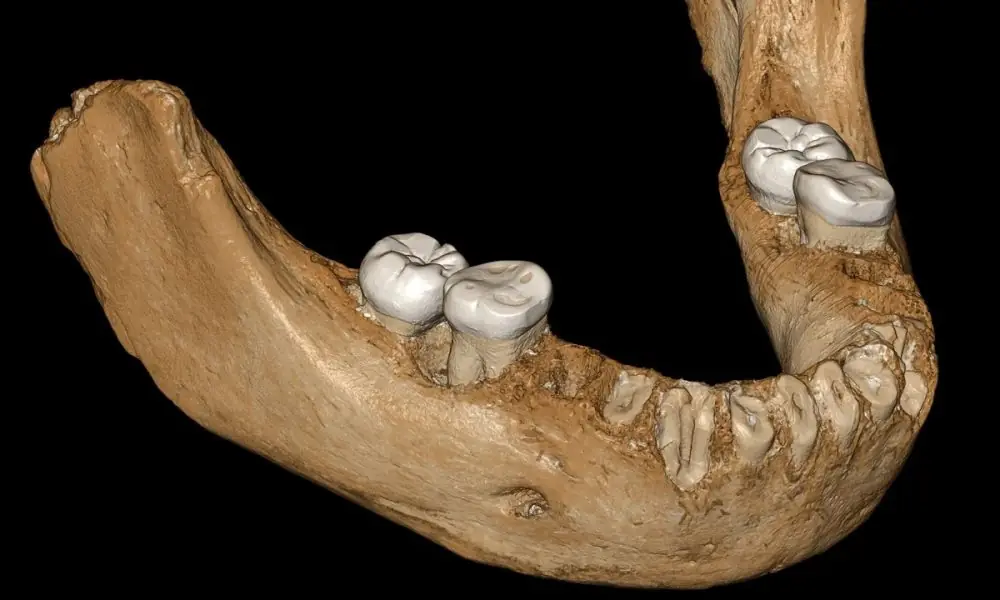
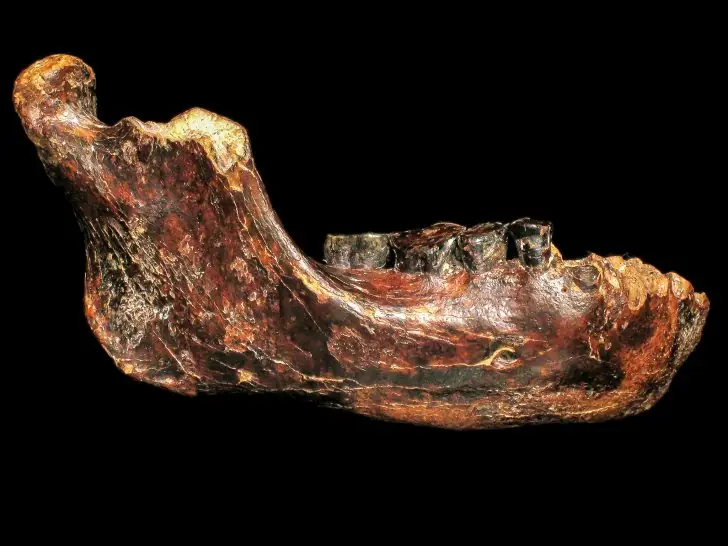
The Denisovans, a mysterious branch of ancient humans, just turned up in an unexpected place – off the coast of Taiwan. A fisherman pulled up a jawbone with five teeth from the Penghu Channel, and it turns out that it belonged to a Denisovan man.

However, this is not just a cool fossil. It pushes the known range of Denisovans thousands of kilometers farther south than we thought. Until now, their fossils have only been confirmed in Siberia and Tibet. This jawbone shows they made it to warmer, coastal regions too.

How Scientists Knew It Was Denisovan

The tricky part? The DNA was too damaged to analyze. So scientists turned to something else – dental proteins. The enamel on the teeth had two protein variants only seen in Denisovans, not Neanderthals or Homo sapiens. That is how they nailed the ID.
History / During the Ice Age, the Penghu Channel was not underwater like it is now. It was dry land, a likely migration route for early humans.

This kind of analysis is rare but powerful. It gave researchers a clear answer without needing DNA. And it proved that Denisovans lived in places we never guessed they would reach.

The Wild Journey of the Jawbone

This fossil didn’t come from a careful dig. It was dredged up by a fishing boat and then sat in an antique shop for a while before being donated to a museum in Taiwan—a strange journey for a piece of ancient history.

That means Denisovans were not just surviving in harsh, cold places. They were walking coastlines and warmer landscapes too.

Denisovans Were Survivors

What this jawbone really shows is that Denisovans were built to handle almost anything. From freezing Siberian caves to high-altitude Tibetan plateaus and now subtropical Taiwan – they lived in it all.

That is a huge contrast with Neanderthals, who mostly stuck to cooler climates. Denisovans were not picky. They spread out across about 4,500 kilometers of land, which tells us they were resourceful, mobile, and smart enough to adapt fast.

How Old Is This Jawbone?

Dating it is not easy, but scientists looked at the animal fossils found with it. That puts the jawbone somewhere between 10,000 and 190,000 years old. Big range, sure. But if it is on the younger side, this could be the youngest Denisovan fossil we have ever found.
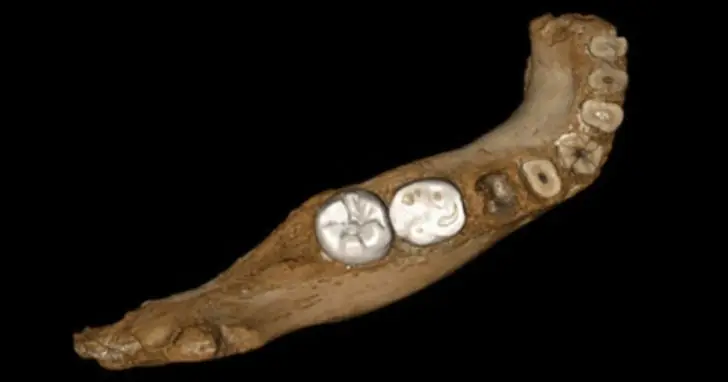
The News / According to scientists, the jawbone is somewhere between 10,000 and 190,000 years old.

That matters. It would show that Denisovans hung around far longer than we thought, maybe even mixing with early Homo sapiens in this region.

What the Fossil Tells Us About Denisovans

Here is another cool part. This jawbone adds fresh clues about what Denisovans looked like. It is big. Strong. Thick. The teeth are large and robust – bigger than those of Neanderthals and modern humans.

That fits what we know from other Denisovan fossils. They were not fragile. They had to be tough to survive in such a wide range of environments. And this jawbone adds more detail to a picture we have only just started sketching.

Only three confirmed Denisovan sites exist: Siberia’s Denisova Cave, Tibet’s Baishiya Karst Cave, and now Taiwan’s Penghu Channel. There might be a fourth in Laos, but it is still unconfirmed. That is not a lot of fossils to work with.

You May Also Like

Why Your Allergies Are Lasting Longer Each Year? Geographic

Why Your Allergies Are Lasting Longer Each Year?

If it feels like your sniffles have started earlier, lingered longer, and somehow found a “bonus round” in the fall, you’re not imagining it. From warmer seasons and higher pollen counts to indoor triggers and the way your immune system “learns,” several real-world factors can stretch allergy misery across more months than ever. Here’s what’s […]

Angeline Smith April 1, 2026
Read More →
Werner Herzog’s New Documentary “Ghost Elephants” Searches for the World’s Largest Elephants Geographic

Werner Herzog’s New Documentary “Ghost Elephants” Searches for the World’s Largest Elephants

Werner Herzog has spent decades chasing strange stories. His films often wander into places where reason and obsession collide. His newest documentary, “Ghost Elephants,” continues that tradition with a quiet, haunting search deep inside Angola’s remote highlands. Herzog turns the story into something slower and more thoughtful. The film follows a decade-long quest to prove […]

Ami Ciccone March 27, 2026
Read More →
California Photographer Captures Hundreds of Native Bees Geographic

California Photographer Captures Hundreds of Native Bees

A California photographer has quietly rewritten what we know about native bees. She did it without nets, without pinning specimens to boards, and without harming a single insect. Instead, she relied on patience, sharp eyes, and a camera lens. Krystle Hickman is a Los Angeles-based photographer, National Geographic Explorer, and community scientist. She has photographed […]

Ami Ciccone February 26, 2026
Read More →
The Top 5 Longest Rivers in the U.S. With Big Stories Geographic

The Top 5 Longest Rivers in the U.S. With Big Stories

The United States has quite a formidable landmass, with thousands of square miles stretched between two oceans, mountains, deserts, great plains, and everything in between. With such a large area, the U.S. also has an extensive network of inland rivers and waterways cutting through its diverse terrain. The cumulative length of America’s rivers is nearly […]

Ami Ciccone January 1, 2026
Read More →
Why Troll Peninsula Is Your Best Bet for a Quiet Escape in Iceland Geographic

Why Troll Peninsula Is Your Best Bet for a Quiet Escape in Iceland

If your ideal escape involves mountains rising straight out of quiet fjords and villages that seem to operate on their own gentle rhythm, North Iceland’s Troll Peninsula fits that picture perfectly. Tröllaskagi feels a world apart from the country’s busier stops—rugged, slow-paced, and deeply atmospheric. The landscape delivers northern drama, while the small-town calm adds […]

Ami Ciccone December 5, 2025
Read More →