The ancient Sumerians, thriving in the fertile crescent between the Tigris and Euphrates rivers, left behind a profound legacy through their culture, mythology, and, notably, their names. These names offer a fascinating window into their worldview, values, and religious beliefs. From powerful deities to revered ancestors, Sumerian names embody a depth of meaning and significance that reveals much about this early civilization.
In this exploration, we will delve into the rich heritage of Sumerian names, uncovering their meanings and the stories behind them.
Notable Sumerian Names and Their Meanings
1. Enlil – “Lord of the Wind”
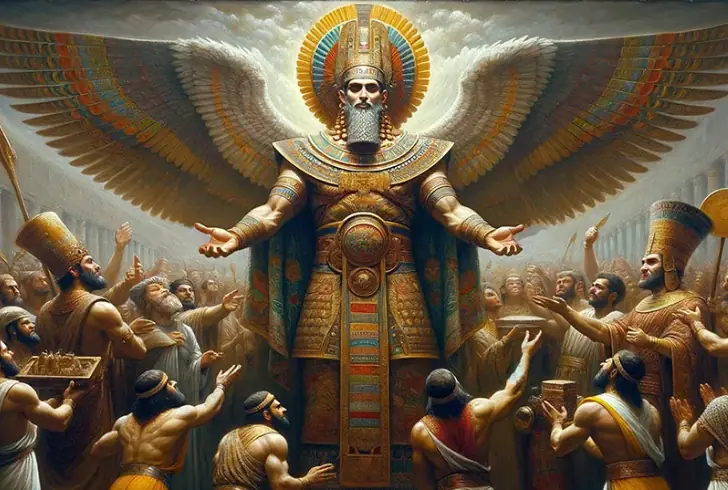
Enlil is one of the major deities in Sumerian mythology, symbolizing storms, air, and breath. His name denotes his supreme control over the atmospheric elements and his crucial role in maintaining cosmic balance.
2. Inanna – “Lady of Heaven”
Inanna, the goddess of love, fertility, and war, holds a prominent place in Sumerian religion. Her name underscores her divine status and her connection to the celestial realm, embodying both the nurturing and destructive aspects of femininity.
3. Ninlammu – “Goddess of the Waters”
Ninlammu is revered for her connection to water and purification, playing a vital role in maintaining natural balance.
4. Nammu – “Lady who Gave Birth”
Nammu is a primordial goddess associated with creation. Her name reflects her role as the mother of all gods and the source of life itself.
5. Anu – “Heaven”
Anu is the god of the heavens and the supreme deity of the Sumerian pantheon. His name symbolizes his dominion over the celestial realm and his role as a divine authority.
6. Ningal – “Great Lady”
Ningal is revered as a goddess of reeds, hunting, and war. Her name signifies her esteemed position among the deities and her connection to both the natural world and human endeavors.
7. Enki – “Lord of the Earth”
Enki, associated with wisdom, water, and magic, is credited with creating humanity and civilization. His name emphasizes his link to both the earthly realm and the forces of nature.
8. Ninhursag – “Mother of the Gods”
Ninhursag, a mother goddess linked to fertility and healing, holds a vital role in sustaining life. Her name highlights her nurturing aspect and her importance in the divine hierarchy.
9. Dumuzid – “Faithful Son”
Dumuzid, often depicted as a shepherd or king, is associated with agriculture and fertility. His name suggests his devotion and his essential role in ensuring prosperity.
10. Ereshkigal – “Lady of the Great Place”
Ereshkigal, the queen of the underworld, governs the realm of the dead. Her name evokes the vast and significant domain she rules.
11. Ninurta – “Lord of the Good Tree”
Ninurta is linked with agriculture, war, and prosperity. His name symbolizes growth, fertility, and the abundance of nature.
12. Nanna – “Moon
Nanna, the god of the moon, embodies the mystical and changing aspects of the night sky. His name reflects his role as a celestial body influencing the cycles of time.
13. Ninlil – “Lady of the Open Field”
Ninlil is revered for her connection to wind, agriculture, and fertility. Her name suggests the expansive and fertile nature of the plains.
14. Ashur – “Light” or “Solar”
Ashur, the national god of Assyria, represents power and divine protection. His name denotes the radiant brilliance of the sun and its life-sustaining energy.
15. Enkidu – “Created from the God Anu”
Enkidu, a legendary figure and companion of Gilgamesh, signifies his divine origin and close connection to the gods.
16. Enheduanna – “High Priestess of the Moon God”
Enheduanna, known as an early poet and high priestess, reflects her prestigious role and devotion to the moon god Nanna.
17. Shulgi – “My King”
Shulgi, a Sumerian king known for his reforms and patronage of the arts, emphasizes his royal status and leadership.
18. Adad – “Storm God”
Adad, associated with storms and thunder, symbolizes the power of nature and fertility. His name highlights his role as a bringer of both storms and blessings.
19. Nisaba – “Goddess of Grain and Writing”
Nisaba is revered for her dual role in agriculture and literacy. Her name reflects her importance in sustaining life and knowledge.
20. Marduk – “Chief God of Babylon”
Marduk, the principal deity of Babylon, is associated with justice and divine authority. His name underscores his supreme position among the gods.
21. Gudea – “Servant of the Goddess”
Gudea, known for his devotion to the goddess Ningirsu, reflects his piety and humble status as a servant of the divine.
22. Nanshe – “Goddess of Social Justice”
Nanshe is associated with justice, compassion, and divination. Her name signifies her role in promoting fairness and protecting the vulnerable.
23. Ninshubur – “Messenger of the Goddess Inanna”
Ninshubur, a divine messenger, is a loyal servant and intermediary between the mortal and divine realms. Their name reflects their essential role in the pantheon.
24. Shara – “Lord of the Desert”
Shara is associated with the desert and wilderness, revered as a protector of travelers and guardian of the barren lands.
25. Ninkasi – “Goddess of Beer”
Ninkasi, a patroness of brewing, is linked to the creation and enjoyment of beer, reflecting its importance in Sumerian culture and rituals.
26. Ninazu – “God of the Underworld”
Ninazu governs the underworld and the afterlife, serving as a judge and guardian of the dead.
27. Geshtinanna – “Sister of Dumuzid”
Geshtinanna, associated with agriculture and vegetation, reflects her role in fertility rites and her relationship with her divine brother.
28. Utu – “Sun”
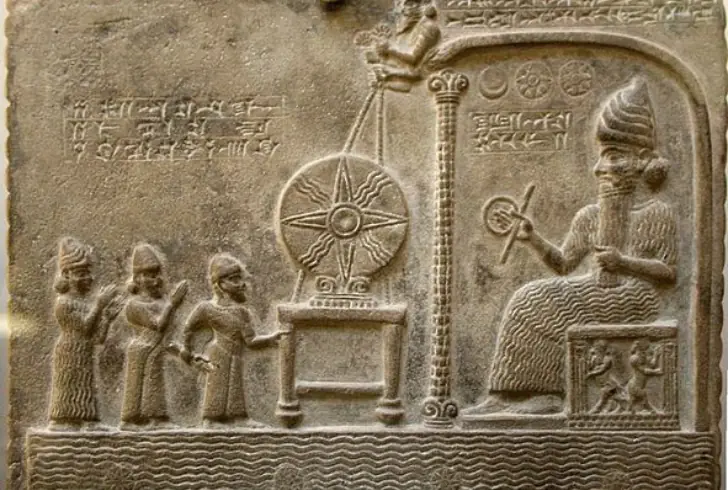
As the god of the sun, Utu represents light, warmth, and vitality. His name highlights his role as the essential source of life-giving energy and his daily journey across the sky.
29. Namtar – “God of Death”
Namtar is linked with death and disease, overseeing the transition of souls from the mortal realm to the afterlife.
30. Ninmah – “Lady of the Rib”
Ninmah, a mother goddess associated with childbirth and creation, highlights her role in nurturing and shaping humanity.
31. Anzû – “Divine Storm Bird”
Anzû, a mythical bird of prey, symbolizes cosmic power and natural forces, associated with storms and thunder.
32. Nungal – “Daughter of Enki”
Nungal, a goddess of purification and healing, reflects her divine lineage and role in maintaining life and renewal.
33. Nintu – “Lady of Birth”
Nintu, a mother goddess, signifies her role in childbirth and the nurturing of life.
34. Ishkur – “God of Rain and Thunderstorms”
Ishkur is associated with rain and thunderstorms, crucial for fertility and crop protection.
35. Ninisina – “Goddess of Healing”
Ninisina, revered for healing and medicine, plays a significant role in promoting health and wellness.
The Sumerian names we have explored offer a glimpse into the spiritual and cultural fabric of one of humanity’s earliest civilizations. Each name is more than just a label; it is a reflection of the values, beliefs, and attributes that the Sumerians cherished. By studying these names, we gain valuable insights into the ways the Sumerians understood their world, their gods, and their place within the cosmic order.