France didn’t just happen. It was built, piece by piece, over two thousand years. From ancient Gaul to the borders we see on today’s maps, the story of France is packed with war, politics, and a few strategic marriages.
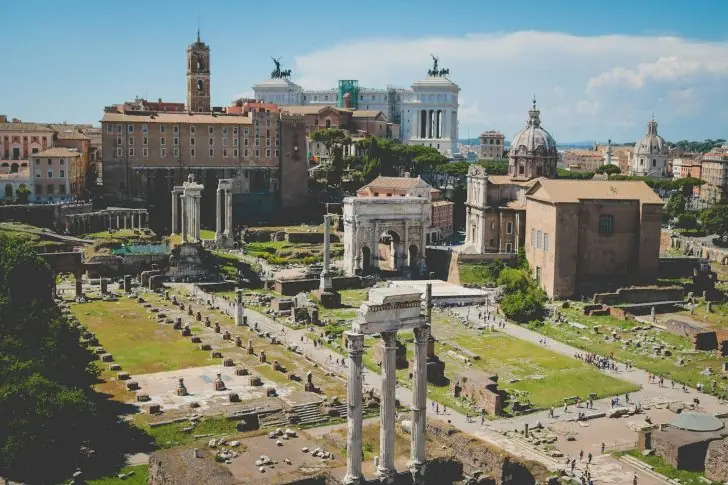
In the beginning, France was Gaul. Around 58 BCE, Julius Caesar rolled in with the Roman army and took it. Gaul was home to Celtic tribes, but Rome had other plans. Caesar turned it into Roman provinces, splitting it up into Narbonensis, Lugdunensis, Aquitania, and Belgica.
This set up the regional lines that would echo through France’s future.
Clovis merged the Roman way of life with Frankish traditions, starting something new. This was the real spark for what would become France.
The Birth of the Kingdom of France
The name “France” itself came from the Franks, but the country as we know it didn’t form overnight. After Charlemagne’s empire broke apart in 843, his grandsons split the land through the Treaty of Verdun. What was left of the Kingdom of France was the western chunk, but early French kings like Hugh Capet only ruled around Paris, a small zone called the Île-de-France.
From there, the slow grab for land began. Marriage and inheritance brought in big prizes like Burgundy and Aquitaine. Rulers married into duchies to claim territory without swinging a sword.
Conquest and Consolidation
But swords also came out. King Philip II wasn’t shy. Between 1180 and 1223, he ripped Normandy and Anjou from the English crown. These were rich regions, and taking them made France stronger, wealthier, and harder to mess with.
Through the 1300s and 1400s, France kept absorbing fiefs like Toulouse and Provence. Local lords lost power as the king gained it. This slow consolidation finally started giving France a shape people could recognize.
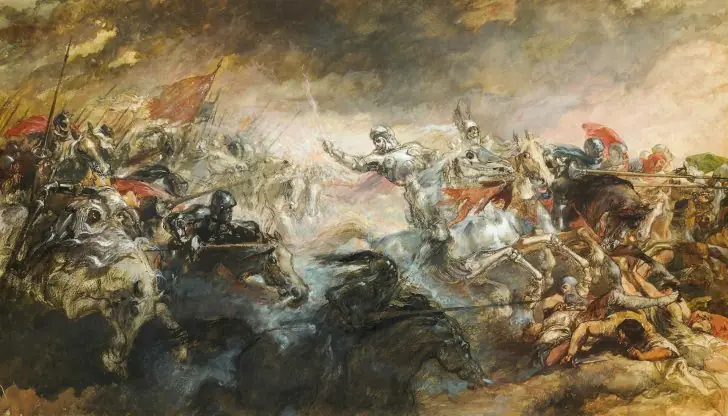
When it ended, England was out. Gascony and other lands stayed French for good. That war was a turning point. France became ‘more French.’
In 1477, Burgundy was added after a royal marriage flopped and left no male heir. And in 1532, Brittany officially joined after years of being semi-independent.
Borders With Spain and the East & the French Revolution
The 1600s were all about flexing on Spain and the Habsburgs. After the Treaty of the Pyrenees in 1659, France acquired Roussillon and Artois. The Pyrenees Mountains became the border with Spain. It was a win for France, both on paper and in power.
Under King Louis XIV, France went east. His wars and deals brought in Alsace in 1648, Franche-Comté in 1678, and Strasbourg in 1681. T
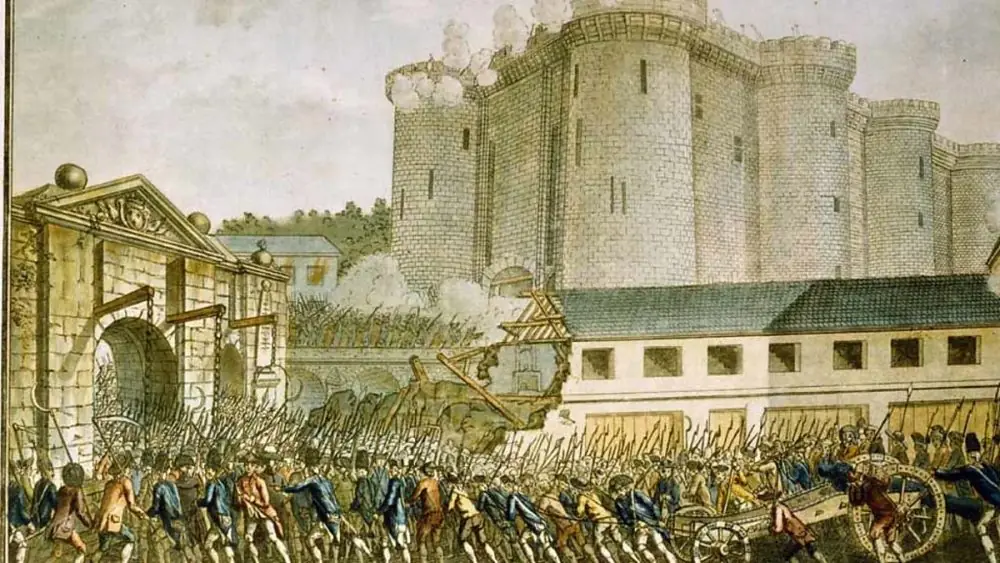
Then came the French Revolution in 1789. The old monarchy collapsed, and new rulers weren’t afraid to redraw the map. In 1791, they took Avignon from the Pope. Later, under Napoleon, France stormed across Europe. Belgium, Italy, parts of Spain, and Germany all fell under French control at one point.
However, Napoleon’s empire didn’t last. After 1815, France lost a lot of the land it had claimed. But the shake-up changed Europe. Even in defeat, France had set the stage for modern borders and sparked ideas about nationhood across the continent.
In the 1800s, France kept adjusting. In 1860, it made a deal with Sardinia and gained Savoy and Nice. These regions hugged the Alps and gave France better access to Italy and more natural borders.
The final blow came in 1947. After World War II, France gained small Alpine areas from Italy. These minor gains rounded out the country’s borders, finalizing the famous “hexagon” we see today.